


Renewing ACLS Online? Learn the most common mistakes healthcare professionals make and how to choose a course that supports patient care.
Case Study: Recurrent Ventricular Fibrillation
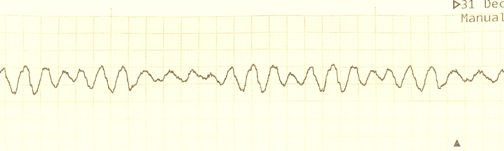
A 72-year-old male develops coarse ventricular fibrillation while being
monitored following an uneventful colonoscopy. He is immediately defibrillated using a bi-phasic defibrillator at 120 joules. The counter-shock is successful and he is converted to a sinus tachycardia. He has resumed spontaneous breathing.
Forty-five seconds later, he again develops ventricular fibrillation. He is
shocked once again using 120 joules. This causes conversion back to sinus rhythm and he resumes breathing. His ventilation is assisted using a bag/valve/mask device with supplemental oxygen.
Several minutes later, ventricular fibrillation reoccurs. Immediate counter-
shock at 120 joules terminates the fibrillation and he is back in sinus
tachycardia with a pulse.
Should epinephrine or vasopression be administered? Expand / Collapse
Should the delivered energy be increased with subsequent shocks? Expand / Collapse
Should anti-arrhythmic drug therapy be considered? Expand / Collapse
What clinical situations might explain recurrent ventricular fibrillation? Expand / Collapse

AMRI Staff